Current issue
Accepted manuscript
About the Journal
Scientific Council
Editorial Board
Regulatory and archival policy
Code of publishing ethics
Publisher
Information about the processing of personal data in relation to cookies and newsletter subscription
Archive
For Authors
For Reviewers
Contact
Reviewers
Annals reviewers in 2025
Annals reviewers in 2024
Annals reviewers in 2023
Annals reviewers in 2022
Annals reviewers in 2021
Annals reviewers in 2020
Annals reviewers in 2019
Annals reviewers in 2018
Annals reviewers in 2017
Annals reviewers in 2016
Annals reviewers in 2015
Annals reviewers in 2014
Annals reviewers in 2013
Annals reviewers in 2012
Links
Sklep Wydawnictwa SUM
Biblioteka Główna SUM
Śląski Uniwersytet Medyczny w Katowicach
Privacy policy
Accessibility statement
Reviewers
Annals reviewers in 2025
Annals reviewers in 2024
Annals reviewers in 2023
Annals reviewers in 2022
Annals reviewers in 2021
Annals reviewers in 2020
Annals reviewers in 2019
Annals reviewers in 2018
Annals reviewers in 2017
Annals reviewers in 2016
Annals reviewers in 2015
Annals reviewers in 2014
Annals reviewers in 2013
Annals reviewers in 2012

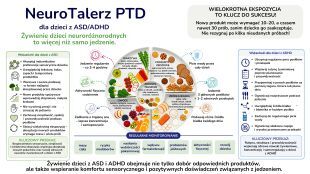
Postępowanie dietetyczne i żywienie u dzieci z zaburzeniami ze spektrum autyzmu (ASD) lub zespołem nadpobudliwości psychoruchowej z deficytem uwagi (ADHD): stanowisko Polskiego Towarzystwa Dietetyki
1
Zakład Żywienia Człowieka, Wydział Zdrowia Publicznego w Bytomiu, Śląski Uniwersytet Medyczny w Katowicach
2
Poradnia Żywienia Dzieci w Bielsku-Białej
3
Katedra Dietetyki, Wydział Nauk o Zdrowiu i Psychologii, Collegium Medicum, Uniwersytet Rzeszowski
4
Zakład Technologii i Oceny Jakości Żywności, Wydział Zdrowia Publicznego w Bytomiu, Śląski Uniwersytet Medyczny w Katowicach
5
Katedra Dietetyki i Badań Żywności, Wydział Nauk Ścisłych, Przyrodniczych i Technicznych, Uniwersytet Jana Długosza w Częstochowie
6
Klinika Neurologii Dzieci i Młodzieży oraz Klinika Wrodzonych Wad Metabolizmu i Pediatrii, Instytut Matki i Dziecka, Warszawa
7
Klinika Pediatrii, Żywienia i Chorób Metabolicznych, Instytut „Pomnik - Centrum Zdrowia Dziecka”, Warszawa
8
Ośrodek Rehabilitacyjny pw. św. Rafała Archanioła w Rusinowicach, Caritas Diecezji Gliwice
9
Katedra i Klinika Neurologii Dziecięcej, Wydział Nauk Medycznych w Katowicach, Śląski Uniwersytet Medyczny w Katowicach
10
Oddział Psychiatryczny dla Dzieci, Specjalistyczny Psychiatryczny Zespół Opieki Zdrowotnej w Łodzi
11
Zakład Socjologii Zdrowia, Edukacji i Komunikacji Medycznej, Instytut Matki i Dziecka, Warszawa
Corresponding author
Agnieszka Białek-Dratwa
Zakład Żywienia Człowieka, Wydział Zdrowia Publicznego w Bytomiu, Śląski Uniwersytet Medyczny w Katowicach, ul. Jordana 19, 41-808 Zabrze, tel. +48 32 275 51 97
Zakład Żywienia Człowieka, Wydział Zdrowia Publicznego w Bytomiu, Śląski Uniwersytet Medyczny w Katowicach, ul. Jordana 19, 41-808 Zabrze, tel. +48 32 275 51 97
Ann. Acad. Med. Siles. 2026;80:346-373

TOPICS
PEER REVIEW INFORMATION
Article has been screened for originality
REFERENCES (168)
1.
Crisci G, Cardillo R, Mammarella IC. Social Functioning in Children and Adolescents with ADHD and Autism Spectrum Disorder: A Cross-Disorder Comparison. J Clin Child Adolesc Psychol. 2024;53(3):489–502. doi: 10.1080/15374416.2024.2330479.
2.
American Psychiatric Association. Diagnostic and statistical manual of mental disorders. 5th ed. Washington, DC: American Psychiatric Association; 2013, https://doi.org/10.1176/appi.b... [dostęp: 10 czerwca 2026].
3.
World Health Organization. International classification of diseases 11th revision (ICD-11). Geneva: World Health Organization; 2022, https://icd.who.int/ [dostęp: 10 czerwca 2026].
4.
Ayano G, Demelash S, Gizachew Y, Tsegay L, Alati R. The global prevalence of attention deficit hyperactivity disorder in children and adolescents: An umbrella review of meta-analyses. J Affect Disord. 2023;339:860–866. doi: 10.1016/j.jad.2023.07.071.
5.
Instytut Psychiatrii i Neurologii / Narodowy Instytut Zdrowia Publicznego – Państwowy Zakład Higieny. Kompleksowe badanie stanu zdrowia psychicznego społeczeństwa i jego uwarunkowań (EZOP II) [Zadanie finansowane ze środków Narodowego Programu Zdrowia na lata 2016-2020]. Instytut Psychiatrii i Neurologii; Warszawa, https://ezop.edu.pl/ [dostęp: 10 czerwca 2026].
6.
Young S, Adamo N, Ásgeirsdóttir BB, Branney P, Beckett M, Colley W, et.al. Females with ADHD: An expert consensus statement taking a lifespan approach providing guidance for the identification and treatment of attention-deficit/ hyperactivity disorder in girls and women. BMC Psychiatry. 2020;20(1):404. doi: 10.1186/s12888-020-02707-9.
7.
Global Burden of Disease Study 2021 Autism Spectrum Collaborators. The global epidemiology and health burden of the autism spectrum: findings from the Global Burden of Disease Study 2021. Lancet Psychiatry. 2025;12(2):111–121. doi: 10.1016/S2215-0366(24)00363-8.
8.
Castro K, Riesgo R, Gadia C. Autism spectrum disorder: overdiagnosis or a new pandemic? J Pediatr (Rio J). 2026;102 Suppl 1(Suppl 1):101439. doi: 10.1016/j.jped.2025.101439.
9.
Sacco R, Camilleri N, Eberhardt J, Umla-Runge K, Newbury-Birch D. A systematic review and meta-analysis on the prevalence of mental disorders among children and adolescents in Europe. Eur Child Adolesc Psychiatry. 2024;33(9):2877–2894. doi: 10.1007/s00787-022-02131-2.
10.
Loomes R, Hull L, Mandy WPL. What Is the Male-to-Female Ratio in Autism Spectrum Disorder? A Systematic Review and Meta-Analysis. J Am Acad Child Adolesc Psychiatry. 2017;56(6):466–474. doi: 10.1016/j.jaac.2017.03.013.
11.
Hull L, Petrides KV, Mandy W. The female autism phenotype and camouflaging: A narrative review. Rev J Autism Dev Disord. 2020;7:306–317. doi: 10.1007/s40489-020-00197-9.
12.
Lewandowska A. Zaburzenia ze spektrum autyzmu – na co zwrócić uwagę. Pediatr Dypl. 2022;(5), https://podyplomie.pl/czasopis... [dostęp: 10 czerwca 2026].
13.
Lewandowska A. The autism spectrum in clinical practice: Recognition and differential diagnosis of symptoms with consideration of age-related dynamics and sex differences. Wiedza Med. 2025;7(2):28-52. doi: 10.36553/wm.175.
14.
Lewandowska A. Diagnostyka zespołu nadpobudliwości psychoruchowej z deficytem uwagi u dzieci i młodzieży. Med Prakt Psychiatria. 2025;(2/103):26–37, https://premium.mp.pl/czasopis... [dostęp: 10 czerwca 2026].
15.
Standardy i rekomendacje merytoryczne dla ośrodków II i III poziomu referencyjnego. Bryńska A, Wolańczyk T, Słopień A [red.]. Centrum CBT. Warszawa 2023, https://www.centermed-poznan.p... [dostęp: 10 czerwca 2026].
16.
French B, Nalbant G, Wright H, Sayal K, Daley D, Groom MJ, i wsp. The impacts associated with having ADHD: an umbrella review. Front Psychiatry. 2024;15:1343314. doi: 10.3389/fpsyt.2024.1343314.
17.
Stickley A, Koyanagi A, Takahashi H, Ruchkin V, Inoue Y, Kamio Y. Attention-deficit/hyperactivity disorder and physical multimorbidity: A population-based study. Eur Psychiatry. 2017;45:227–234. doi: 10.1016/j.eurpsy.2017.07.010.
18.
American Psychiatric Association. Diagnostic and Statistical Manual of Mental Disorders. 5th ed. Text Revision (DSM-5-TR). Washington, DC: American Psychiatric Association; 2022. doi: 10.1176/appi.books.9780890425787.
19.
Słopień A, Rynkiewicz A, Janas-Kozik M. Zaburzenia ze spektrum autyzmu. W: Janas-Kozik M, Wolańczyk TM [red.]. Psychiatria dzieci i młodzieży. T. 1. Wyd. Lekarskie PZWL. Warszawa 2021, s. 265–304.
20.
Simonoff E, Pickles A, Charman T, Chandler S, Loucas T, Baird G. Psychiatric disorders in children with autism spectrum disorders: prevalence, comorbidity, and associated factors in a population-derived sample. J Am Acad Child Adolesc Psychiatry. 2008;47(8):921–929. doi: 10.1097/CHI.0b013e318179964f.
21.
White SW, Oswald D, Ollendick T, Scahill L. Anxiety in children and adolescents with autism spectrum disorders. Clin Psychol Rev. 2009;29(3):216–229. doi: 10.1016/j.cpr.2009.01.003.
22.
Hours C, Recasens C, Baleyte JM. ASD and ADHD Comorbidity: What Are We Talking About? Front Psychiatry. 2022;13:837424. doi: 10.3389/fpsyt.2022.837424.
23.
Zaboski BA, Storch EA. Comorbid autism spectrum disorder and anxiety disorders: a brief review. Future Neurol. 2018;13(1):31–37. doi: 10.2217/fnl-2017-0030.
24.
Hasan H, Hagerman R, Say DS, Nguyen AP, Babata K, Oyegbile-Chidi T, i wsp. Parallel paths: A narrative review exploring autism and its co-occurring conditions. World J Clin Pediatr. 2025;14(4):111641. doi: 10.5409/wjcp.v14.i4.111641.
25.
Attention deficit hyperactivity disorder: diagnosis and management. NICE guideline NG87. National Institute for Health and Care Excellence, 14 March 2018, updated 13 September 2019 [online] https://www.nice.org.uk/guidan... [dostęp: 10 czerwca 2026].
26.
Autism spectrum disorder in under 19s: support and management. Clinical guideline CG170. National Institute for Health and Care Excellence, 28 August 2013, updated 14 June 2021 [online] https://www.nice.org.uk/guidan... [dostęp: 10 czerwca 2026].
27.
Lewandowska A. Leczenie dzieci i młodzieży z zespołem nadpobudliwości psychoruchowej z deficytem uwagi. Med Prakt Neurologia. 2025;(3–4/93):39–54, https://premium.mp.pl/czasopis... [dostęp: 10 czerwca 2026].
28.
Żywienie i leczenie żywieniowe dzieci i młodzieży. Szajewska H, Horvath A [red.]. Wyd. 2. Medycyna Praktyczna. Warszawa 2024.
29.
Hyman SL, Levy SE, Myers SM; Council on children with disabilities, section on developmental and behavioral pediatrics. Identification, Evaluation, and Management of Children With Autism Spectrum Disorder. Pediatrics. 2020;145(1):e20193447. doi: 10.1542/peds.2019-3447.
30.
Wolraich ML, Hagan JF Jr, Allan C, Chan E, Davison D, Earls M, et.al. Clinical Practice Guideline for the Diagnosis, Evaluation, and Treatment of Attention-Deficit/Hyperactivity Disorder in Children and Adolescents. Pediatrics. 2019;144(4):e20192528. doi: 10.1542/peds.2019-2528. Erratum in: Pediatrics. 2020;145(3):e20193997. doi: 10.1542/peds.2019-3997.
31.
Hossain MM, Khan N, Sultana A, Ma P, McKyer ELJ, Ahmed HU, i wsp. Prevalence of comorbid psychiatric disorders among people with autism spectrum disorder: An umbrella review of systematic reviews and meta-analyses. Psychiatry Res. 2020;287:112922. doi: 10.1016/j.psychres.2020.112922.
32.
Schreck KA, Williams K. Food preferences and factors influencing food selectivity for children with autism spectrum disorders. Res Dev Disabil. 2006;27(4):353–363. doi: 10.1016/j.ridd.2005.03.005.
33.
Sammels O, Karjalainen L, Dahlgren J, Wentz E. Autism Spectrum Disorder and Obesity in Children: A Systematic Review and Meta-Analysis. Obes Facts. 2022;15(3):305–320. doi: 10.1159/000523943.
34.
Harris HA, Bowling A, Santos S, Greaves-Lord K, Jansen PW. Child ADHD and autistic traits, eating behaviours and weight: A population-based study. Pediatr Obes. 2022;17(11):e12951. doi: 10.1111/ijpo.12951.
35.
Micai M, Fatta LM, Gila L, Caruso A, Salvitti T, Fulceri F, i wsp. Prevalence of co-occurring conditions in children and adults with autism spectrum disorder: A systematic review and meta-analysis. Neurosci Biobehav Rev. 2023;155:105436. doi: 10.1016/j.neubiorev.2023.105436.
36.
Keski-Rahkonen A, Ruusunen A. Avoidant-restrictive food intake disorder and autism: epidemiology, etiology, complications, treatment, and outcome. Curr Opin Psychiatry. 2023;36(6):438–442. doi: 10.1097/YCO.0000000000000896.
37.
Wang Z, Ding R, Wang J. The Association between Vitamin D Status and Autism Spectrum Disorder (ASD): A Systematic Review and Meta-Analysis. Nutrients. 2020;13(1):86. doi: 10.3390/nu13010086.
38.
De Sales-Millán A, Guillén-López S, López-Mejía L, Reyes-Ferreira P, González-Cervantes RM, Velázquez Aragón JA. Nutrient imbalance and obesity in children with autism spectrum disorder. Nutr Hosp. 2025;43(3):420–427. doi: 10.20960/nh.05425.
39.
Sharma SR, Gonda X, Tarazi FI. Autism Spectrum Disorder: Classification, diagnosis and therapy. Pharmacol Ther. 2018;190:91–104. doi: 10.1016/j.pharmthera.2018.05.007.
40.
Nazar BP, Bernardes C, Peachey G, Sergeant J, Mattos P, Treasure J. The risk of eating disorders comorbid with attention-deficit/hyperactivity disorder: A systematic review and meta-analysis. Int J Eat Disord. 2016;49(12):1045–1057. doi: 10.1002/eat.22643.
41.
WHO Multicentre Growth Reference Study Group. WHO Child Growth Standards based on length/height, weight and age. Acta Paediatr Suppl. 2006;450:76–85. doi: 10.1111/j.1651-2227.2006.tb02378.x.
42.
Kułaga Z, Litwin M, Tkaczyk M, Palczewska I, Zajączkowska M, Zwolińska D, i wsp. Polish 2010 growth references for school-aged children and adolescents. Eur J Pediatr. 2011;170(5):599–609. doi: 10.1007/s00431-010-1329-x.
43.
Miller LJ, Anzalone ME, Lane SJ, Cermak SA, Osten ET. Concept evolution in sensory integration: a proposed nosology for diagnosis. Am J Occup Ther. 2007;61(2):135–140. doi: 10.5014/ajot.61.2.135.
44.
World Health Organization. International Statistical Classification of Diseases and Related Health Problems 10th Revision. Version 2019. Geneva: World Health Organization; 2019, https://icd.who.int/browse10/2... [dostęp: 10 czerwca 2026].
45.
Emich-Widera E. Mechanizm zaburzeń przetwarzania sensorycznego. W: Emich-Widera E, Palicka I, Przybyla O, Kazek B [red.]. Integracja sensoryczna a przetwarzanie sensoryczne: podręcznik. Wyd. Naukowe PWN. Warszawa 2025, s. 191–202.
46.
Szymańska D, Baj-Lieder M. Wpływ zaburzeń przetwarzania sensorycznego na żywienie, stan odżywienia i zaburzenia odżywiania. W: Emich-Widera E, Palicka I, Przybyla O, Kazek B [red.]. Integracja sensoryczna a przetwarzanie sensoryczne: podręcznik. Wyd. Naukowe PWN. Warszawa 2025, s. 249–270.
47.
Byrska A, Błażejczyk I, Faruga A, Potaczek M, Wilczyński KM, Janas-Kozik M. Patterns of Food Selectivity among Children with Autism Spectrum Disorder. J Clin Med. 2023;12(17):5469. doi: 10.3390/jcm12175469.
48.
Zulkifli MN, Kadar M, Fenech M, Hamzaid NH. Interrelation of food selectivity, oral sensory sensitivity, and nutrient intake in children with autism spectrum disorder: A scoping review. Res Autism Spectr Disord. 2022;93:101928. doi: 10.1016/j.rasd.2022.101928.
49.
Esposito M, Mirizzi P, Fadda R, Pirollo C, Ricciardi O, Mazza M, i wsp. Food Selectivity in Children with Autism: Guidelines for Assessment and Clinical Interventions. Int J Environ Res Public Health. 2023;20(6):5092. doi: 10.3390/ijerph20065092.
50.
Koomar T, Thomas TR, Pottschmidt NR, Lutter M, Michaelson JJ. Estimating the Prevalence and Genetic Risk Mechanisms of ARFID in a Large Autism Cohort. Front Psychiatry. 2021;12:668297. doi: 10.3389/fpsyt.2021.668297.
51.
Holmäng H, Brimo K, Ås A, Dinkler L, Bryant-Waugh R, Gillberg C, i wsp. Intensive Multidisciplinary Intervention for Young Children With ARFID: Clinical Outcomes and Parental Experiences From a Prospective Cohort Study. Int J Eat Disord. 2026;59(4):803–814. doi: 10.1002/eat.70030.
52.
Sharp WG, Burrell TL, Jaquess DL. The Autism MEAL Plan: a parent-training curriculum to manage eating aversions and low intake among children with autism. Autism. 2014;18(6):712–722. doi: 10.1177/1362361313489190.
53.
Marshall J, Ware R, Ziviani J, Hill RJ, Dodrill P. Efficacy of interventions to improve feeding difficulties in children with autism spectrum disorders: a systematic review and meta-analysis. Child Care Health Dev. 2015;41(2):278–302. doi: 10.1111/cch.12157.
54.
Goday PS, Huh SY, Silverman A, Lukens CT, Dodrill P, Cohen SS, i wsp. Pediatric Feeding Disorder: Consensus Definition and Conceptual Framework. J Pediatr Gastroenterol Nutr. 2019;68(1):124–129. doi: 10.1097/MPG.0000000000002188.
55.
Nygren G, Linnsand P, Hermansson J, Dinkler L, Johansson M, Gillberg C. Feeding Problems Including Avoidant Restrictive Food Intake Disorder in Young Children With Autism Spectrum Disorder in a Multiethnic Population. Front Pediatr. 2021;9:780680. doi: 10.3389/fped.2021.780680.
56.
Al-Beltagi M. Nutritional management and autism spectrum disorder: A systematic review. World J Clin Pediatr. 2024;13(4):99649. doi: 10.5409/wjcp.v13.i4.99649.
57.
Kaşak M, Okumuş HG, Çelik YS, Kırşan FZ, Coşkun M, Öztürk Y, i wsp. Selective Eating and Sensory Sensitivity in Children With ADHD: A Comparative Study of ARFID Symptom Profiles. Int J Eat Disord. 2025;58(10):1991–2002. doi: 10.1002/eat.24512.
58.
Campbell AA, Karp SM, Mogos M. Feeding Behaviors in Infants and Toddlers Later Diagnosed with Autism Spectrum Disorder: A Systematic Review. J Autism Dev Disord. 2025;55(5):1788–1808. doi: 10.1007/s10803-024-06303-8.
59.
Silverman AH. Behavioral Management of Feeding Disorders of Childhood. Ann Nutr Metab. 2015;66 Suppl 5:33–42. doi: 10.1159/000381375.
60.
Peterson KM, Piazza CC, Ibañez VF, Fisher WW. Randomized controlled trial of an applied behavior analytic intervention for food selectivity in children with autism spectrum disorder. J Appl Behav Anal. 2019;52(4):895–917. doi: 10.1002/jaba.650.
61.
Alhrbi A, Vlachopoulos D, Healey EM, Massoud AT, Morris C, Revuelta Iniesta R. Nutritional Status of Children Diagnosed With Autism Spectrum Disorder: A Systematic Review and Meta-Analysis. J Hum Nutr Diet. 2025;38(4):e70099. doi: 10.1111/jhn.70099.
62.
Del-Ponte B, Quinte GC, Cruz S, Grellert M, Santos IS. Dietary patterns and attention deficit/hyperactivity disorder (ADHD): A systematic review and meta-analysis. J Affect Disord. 2019;252:160–173. doi: 10.1016/j.jad.2019.04.061.
63.
Holmskov M, Storebø OJ, Moreira-Maia CR, Ramstad E, Magnusson FL, Krogh HB, i wsp. Gastrointestinal adverse events during methylphenidate treatment of children and adolescents with attention deficit hyperactivity disorder: A systematic review with meta-analysis and Trial Sequential Analysis of randomised clinical trials. PLoS One. 2017;12(6):e0178187. doi: 10.1371/journal.pone.0178187.
64.
Zhu Y, Wang NN, Pan D, Wang S. Risk of Overweight and Obesity in Children and Adolescents With Attention-Deficit/Hyperactivity Disorder: A Systematic Review and Meta-Analysis. Child Obes. 2024;20(2):119–127. doi: 10.1089/chi.2022.0230.
65.
Khazdouz M, Safarzadeh R, Hejrani B, Hasani M, Mahdavi FS, Ejtahed HS, i wsp. The association between junk foods consumption and attention deficit hyperactivity disorder in children and adolescents: a systematic review and meta-analysis of observational studies. Eur Child Adolesc Psychiatry. 2025;34(3):825–834. doi: 10.1007/s00787-024-02521-8.
66.
Farsad-Naeimi A, Asjodi F, Omidian M, Askari M, Nouri M, Pizarro AB, i wsp. Sugar consumption, sugar sweetened beverages and Attention Deficit Hyperactivity Disorder: A systematic review and meta-analysis. Complement Ther Med. 2020;53:102512. doi: 10.1016/j.ctim.2020.102512.
67.
Sader M, Weston A, Buchan K, Kerr-Gaffney J, Gillespie-Smith K, Sharpe H, i wsp. The Co-Occurrence of Autism and Avoidant/Restrictive Food Intake Disorder (ARFID): A Prevalence-Based Meta-Analysis. Int J Eat Disord. 2025;58(3):473–488. doi: 10.1002/eat.24369.
68.
Nyholmer M, Wronski ML, Hog L, Kuja-Halkola R, Lichtenstein P, Lundström S, i wsp. Neurodevelopmental and psychiatric conditions in 600 Swedish children with the avoidant/restrictive food intake disorder phenotype. J Child Psychol Psychiatry. 2025;66(9):1333–1344. doi: 10.1111/jcpp.14134.
69.
Ryu SA, Choi YJ, An H, Kwon HJ, Ha M, Hong YC, i wsp. Associations between Dietary Intake and Attention Deficit Hyperactivity Disorder (ADHD) Scores by Repeated Measurements in School-Age Children. Nutrients. 2022;14(14):2919. doi: 10.3390/nu14142919.
70.
Siracusano M, Arturi L, Riccioni A, Medoro A, Savino R, Scapagnini G, i wsp. Feeding difficulties, eating disorders and therapeutic approaches in autism spectrum disorder: An overview. Pharmacol Res. 2025;222:108040. doi: 10.1016/j.phrs.2025.108040.
71.
Verma B, Dey M, Sehgal R. Exploring behavioral pediatric feeding problems and parental perceptions among children with developmental disabilities. J Neurosci Rural Pract. 2025;16(3):353–361. doi: 10.25259/JNRP_395_2024.
72.
Lange KW, Lange KM, Nakamura Y, Reissmann A. Nutrition in the Management of ADHD: A Review of Recent Research. Curr Nutr Rep. 2023;12(3):383–394. doi: 10.1007/s13668-023-00487-8.
73.
Ptacek R, Stefano GB, Weissenberger S, Akotia D, Raboch J, Papezova H, i wsp. Attention deficit hyperactivity disorder and disordered eating behaviors: links, risks, and challenges faced. Neuropsychiatr Dis Treat. 2016;12:571–579. doi: 10.2147/NDT.S68763.
74.
Nickel K, Maier S, Endres D, Joos A, Maier V, Tebartz van Elst L, i wsp. Systematic Review: Overlap Between Eating, Autism Spectrum, and Attention-Deficit/Hyperactivity Disorder. Front Psychiatry. 2019;10:708. doi: 10.3389/fpsyt.2019.00708.
75.
Boltri M, Sapuppo W. Anorexia Nervosa and Autism Spectrum Disorder: A Systematic Review. Psychiatry Res. 2021;306:114271. doi: 10.1016/j.psychres.2021.114271.
76.
Dobrescu SR, Dahlin K, Karjalainen L, Montonen AB, Klint H, Stenberg I, i wsp. The Cognitive Profile in Adolescents With Anorexia Nervosa and the Relationship With Autism and ADHD: A Pilot Study. Eur Eat Disord Rev. 2025;33(3):575–588. doi: 10.1002/erv.3168.
77.
Gilsbach S, Leuchtenberger J, Herpertz-Dahlmann B, Voderholzer U, Konrad K, von Polier G, i wsp. The roles of impulsivity, comorbid ADHD, and borderline personality disorder in patients with bulimia nervosa. Eat Weight Disord. 2025;30(1):7. doi: 10.1007/s40519-025-01713-8.
78.
The American Psychiatric Association Practice Guideline for the Treatment of Patients With Eating Disorders. 4th ed. Washington, DC: American Psychiatric Association; 2023, https://doi.org/10.1176/appi.b... [dostęp: 10 czerwca 2026].
79.
British Dietetic Association. Autism: Position Statement. Birmingham: British Dietetic Association; 2025, https://www.bda.uk.com/static/... [dostęp: 10 czerwca 2026].
80.
Chiong TXB, Tan MLN, Lim TSH, Quak SH, Aw MM. Selective Feeding-An Under-Recognised Contributor to Picky Eating. Nutrients. 2024;16(21):3608. doi: 10.3390/nu16213608.
81.
Elsayed HE, Thompson KL, Conklin JL, Watson LR. Systematic Review of the Relation Between Feeding Problems and Sensory Processing in Children With Autism Spectrum Disorder. Am J Speech Lang Pathol. 2022;31(6):2875–2899. doi: 10.1044/2022_AJSLP-21-00401.
82.
Postorino V, Sanges V, Giovagnoli G, Fatta LM, De Peppo L, Armando M, i wsp. Clinical differences in children with autism spectrum disorder with and without food selectivity. Appetite. 2015;92:126–132. doi: 10.1016/j.appet.2015.05.016.
83.
Wu D, Chen S, Lin S, Huang R, Li R, Huang Y, i wsp. Eating behavior-mediated association between attention deficit hyperactivity disorder and body fat mass. Heliyon. 2023;9(3):e13641. doi: 10.1016/j.heliyon.2023.e13641.
84.
Pelsser LM, Frankena K, Toorman J, Rodrigues Pereira R. Diet and ADHD, Reviewing the Evidence: A Systematic Review of Meta-Analyses of Double-Blind Placebo-Controlled Trials Evaluating the Efficacy of Diet Interventions on the Behavior of Children with ADHD. PLoS One. 2017;12(1):e0169277. doi: 10.1371/journal.pone.0169277.
85.
Jurek L, Duchier A, Gauld C, Hénault L, Giroudon C, Fourneret P, i wsp. Sensory Processing in Individuals With Attention-Deficit/Hyperactivity Disorder Compared With Control Populations: A Systematic Review and Meta-Analysis. J Am Acad Child Adolesc Psychiatry. 2025;64(10):1132–1147. doi: 10.1016/j.jaac.2025.02.019.
86.
Cermak SA, Curtin C, Bandini LG. Food selectivity and sensory sensitivity in children with autism spectrum disorders. J Am Diet Assoc. 2010;110(2):238–246. doi: 10.1016/j.jada.2009.10.032.
87.
Chistol LT, Bandini LG, Must A, Phillips S, Cermak SA, Curtin C. Sensory Sensitivity and Food Selectivity in Children with Autism Spectrum Disorder. J Autism Dev Disord. 2018;48(2):583–591. doi: 10.1007/s10803-017-3340-9.
88.
Bandini LG, Anderson SE, Curtin C, Cermak S, Evans EW, Scampini R, i wsp. Food selectivity in children with autism spectrum disorders and typically developing children. J Pediatr. 2010;157(2):259–264. doi: 10.1016/j.jpeds.2010.02.013.
89.
Ferrara R, Iovino L, Ricci L, Avallone A, Latina R, Ricci P. Food selectivity and autism: A systematic review. World J Clin Pediatr. 2025;14(3):101974. doi: 10.5409/wjcp.v14.i3.101974.
90.
Pinto S, Correia-de-Sá T, Sampaio-Maia B, Vasconcelos C, Moreira P, Ferreira-Gomes J. Eating Patterns and Dietary Interventions in ADHD: A Narrative Review. Nutrients. 2022;14(20):4332. doi: 10.3390/nu14204332.
91.
Cortese S, Moreira-Maia CR, St Fleur D, Morcillo-Peñalver C, Rohde LA, Faraone SV. Association Between ADHD and Obesity: A Systematic Review and Meta-Analysis. Am J Psychiatry. 2016;173(1):34–43. doi: 10.1176/appi.ajp.2015.15020266.
92.
Società Italiana di Neuropsichiatria dell’Infanzia e dell’Adolescenza (SINPIA). Linee guida sui disturbi dello spettro autistico nei bambini e negli adolescenti. Rome: SINPIA; 2011, https://sinpia.eu/wp-content/u... [dostęp: 10 czerwca 2026].
93.
GuíaSalud. Clinical Practice Guideline for the Management of Patients with Autism Spectrum Disorders in Primary Care. Madrid: GuíaSalud; 2015, https://portal.guiasalud.es/wp... [dostęp: 10 czerwca 2026].
94.
Cardona Cano S, Tiemeier H, Van Hoeken D, Tharner A, Jaddoe VW, Hofman A, i wsp. Trajectories of picky eating during childhood: A general population study. Int J Eat Disord. 2015;48(6):570–579. doi: 10.1002/eat.22384.
95.
Górski MK, Polaniak R, Całyniuk B, Buczkowska M, Fojcik J, Borowska-Malinowska, i wsp. When eating inedible things: Determining the prevalence of pica disorder in a group of Polish adolescents aged 15–19 years. Psychiatr Pol. 2025;59(6):917–934. doi: 10.12740/PP/OnlineFirst/202942.
96.
Piazza CC, Hanley GP, Fisher WW. Functional analysis and treatment of cigarette pica. J Appl Behav Anal. 1996;29(4):437–449; quiz 449–450. doi: 10.1901/jaba.1996.29-437.
97.
Normy żywienia dla populacji Polski. Rychlik E, Stoś K, Woźniak A, Mojska H [red.]. Narodowy Instytut Zdrowia Publicznego PZH – PIB. Warszawa 2024.
98.
Schofield WN. Predicting basal metabolic rate, new standards and review of previous work. Hum Nutr Clin Nutr. 1985;39 Suppl 1:5–41.
99.
Food and Agriculture Organization of the United Nations, World Health Organization, United Nations University. Human energy requirements: Report of a Joint FAO/WHO/UNU Expert Consultation. Rome: FAO; 2004, https://www.fao.org/3/y5686e/y... [dostęp: 10 czerwca 2026].
100.
Conti MV, Breda C, Basilico S, Ruggeri S, Scalvedi ML, Cena H. Unlocking the Link: Exploring the Association Between Food Selectivity and Health Outcome in Autism Spectrum Disorder-A Systematic Review. Nutr Rev. 2026;84(3):584–599. doi: 10.1093/nutrit/nuaf052.
101.
Nogueira-de-Almeida CA, de Araújo LA, da V Ued F, Contini AA, Nogueira-de-Almeida ME, Martinez EZ, i wsp. Nutritional Factors and Therapeutic Interventions in Autism Spectrum Disorder: A Narrative Review. Children (Basel). 2025;12(2):202. doi: 10.3390/children12020202.
102.
Kim S, Shin J, Cha HR, Ha EK, Kim JH, Han MY. Consumption of Sugar-Sweetened Beverages before 2 Years of Age and Attention-Deficit/Hyperactivity Disorder. Ann Nutr Metab. 2024;80(5):276–286. doi: 10.1159/000539458.
103.
Shareghfarid E, Sangsefidi ZS, Salehi-Abargouei A, Hosseinzadeh M. Empirically derived dietary patterns and food groups intake in relation with Attention Deficit/Hyperactivity Disorder (ADHD): A systematic review and meta-analysis. Clin Nutr ESPEN. 2020;36:28–35. doi: 10.1016/j.clnesp.2019.10.013.
104.
Sharp WG, Berry RC, McCracken C, Nuhu NN, Marvel E, Saulnier CA, i wsp. Feeding problems and nutrient intake in children with autism spectrum disorders: a meta-analysis and comprehensive review of the literature. J Autism Dev Disord. 2013;43(9):2159–2173. doi: 10.1007/s10803-013-1771-5.
105.
Liu TH, Wu JY, Huang PY, Lai CC, Chang JP, Lin CH, i wsp. Omega-3 Polyunsaturated Fatty Acids for Core Symptoms of Attention-Deficit/Hyperactivity Disorder: A Meta-Analysis of Randomized Controlled Trials. J Clin Psychiatry. 2023;84(5):22r14772. doi: 10.4088/JCP.22r14772.
106.
Bloch MH, Qawasmi A. Omega-3 fatty acid supplementation for the treatment of children with attention-deficit/hyperactivity disorder symptomatology: systematic review and meta-analysis. J Am Acad Child Adolesc Psychiatry. 2011;50(10):991–1000. doi: 10.1016/j.jaac.2011.06.008.
107.
Chang JP, Su KP, Mondelli V, Pariante CM. Omega-3 Polyunsaturated Fatty Acids in Youths with Attention Deficit Hyperactivity Disorder: a Systematic Review and Meta-Analysis of Clinical Trials and Biological Studies. Neuropsychopharmacology. 2018;43(3):534–545. doi: 10.1038/npp.2017.160.
108.
Newberry SJ, Chung M, Booth M, Maglione MA, Tang AM, O’Hanlon CE, i wsp. Omega-3 Fatty Acids and Maternal and Child Health: An Updated Systematic Review. Evid Rep Technol Assess (Full Rep). 2016;(224):1–826. doi: 10.23970/AHRQEPCERTA224.
109.
Keim SA, Jude A, Smith K, Khan AQ, Coury DL, Rausch J, i wsp. Randomized Controlled Trial of Omega-3 and -6 Fatty Acid Supplementation to Reduce Inflammatory Markers in Children with Autism Spectrum Disorder. J Autism Dev Disord. 2022;52(12):5342–5355. doi: 10.1007/s10803-021-05396-9.
110.
Rojo-Marticella M, Arija V, Alda JÁ, Morales-Hidalgo P, Esteban-Figuerola P, Canals J. Do Children with Attention-Deficit/Hyperactivity Disorder Follow a Different Dietary Pattern than That of Their Control Peers? Nutrients. 2022;14(6):1131. doi: 10.3390/nu14061131.
111.
Esteban-Figuerola P, Canals J, Fernández-Cao JC, Arija Val V. Differences in food consumption and nutritional intake between children with autism spectrum disorders and typically developing children: A meta-analysis. Autism. 2019;23(5):1079–1095. doi: 10.1177/1362361318794179.
112.
Kostenko RTD, Almeida NFA, Meneses JFSE. Dietary and nutritional interventions in the treatment of childhood neuropsychiatric disorders: evidence and myths. J Pediatr (Rio J). 2026;102 Suppl 1(Suppl 1):101465. doi: 10.1016/j.jped.2025.101465.
113.
Abbasi K, Beigrezai S, Ghiasvand R, Pourmasoumi M, Mahaki B. Dietary Patterns and Attention Deficit Hyperactivity Disorder Among Iranian Children: A Case-Control Study. J Am Coll Nutr. 2019;38(1):76–83. doi: 10.1080/07315724.2018.1473819.
114.
Tan S, Pan N, Xu X, Li H, Lin L, Chen J, i wsp. The association between sugar-sweetened beverages and milk intake with emotional and behavioral problems in children with autism spectrum disorder. Front Nutr. 2022;9:927212. doi: 10.3389/fnut.2022.927212.
115.
Pan S, Wang X, Lin L, Chen J, Zhan X, Jin C, i wsp. Association of sugar-sweetened beverages with executive function in autistic children. Front Nutr. 2022;9:940841. doi: 10.3389/fnut.2022.940841.
116.
Lutz M, Arancibia M, Moran-Kneer J, Manterola M. Ultraprocessed Foods and Neuropsychiatric Outcomes: Putative Mechanisms. Nutrients. 2025;17(7):1215. doi: 10.3390/nu17071215.
117.
Nigg JT, Lewis K, Edinger T, Falk M. Meta-analysis of attention-deficit/hyperactivity disorder or attention-deficit/hyperactivity disorder symptoms, restriction diet, and synthetic food color additives. J Am Acad Child Adolesc Psychiatry. 2012;51(1):86–97.e8. doi: 10.1016/j.jaac.2011.10.015.
118.
Sonuga-Barke EJ, Brandeis D, Cortese S, Daley D, Ferrin M, Holtmann M, i wsp. Nonpharmacological interventions for ADHD: systematic review and meta-analyses of randomized controlled trials of dietary and psychological treatments. Am J Psychiatry. 2013;170(3):275–289. doi: 10.1176/appi.ajp.2012.12070991.
119.
Namimi-Halevi C, Dor C, Kaufman-Shriqui V, Dichtiar R, Bromberg M, Sinai T. Attention-deficit/hyperactivity disorder is associated with increased consumption of ultra-processed foods among children. Pediatr Res. 2026. doi: 10.1038/s41390-026-04844-5.
120.
Miller MD, Steinmaus C, Golub MS, Castorina R, Thilakartne R, Bradman A, i wsp. Potential impacts of synthetic food dyes on activity and attention in children: a review of the human and animal evidence. Environ Health. 2022;21(1):45. doi: 10.1186/s12940-022-00849-9.
121.
Stevenson J, Buitelaar J, Cortese S, Ferrin M, Konofal E, Lecendreux M, i wsp. Research review: the role of diet in the treatment of attention-deficit/hyperactivity disorder--an appraisal of the evidence on efficacy and recommendations on the design of future studies. J Child Psychol Psychiatry. 2014;55(5):416–427. doi: 10.1111/jcpp.12215.
122.
Nigg JT, Holton K. Restriction and elimination diets in ADHD treatment. Child Adolesc Psychiatr Clin N Am. 2014;23(4):937–953. doi: 10.1016/j.chc.2014.05.010.
123.
Talib M, Rachdi M, Papazova A, Nicolis H. The Role of Dietary Patterns and Nutritional Supplements in the Management of Mental Disorders in Children and Adolescents: An Umbrella Review of Meta-Analyses. Can J Psychiatry. 2024;69(8):567–589. doi: 10.1177/07067437241248070.
124.
Lange KW, Hauser J, Reissmann A. Gluten-free and casein-free diets in the therapy of autism. Curr Opin Clin Nutr Metab Care. 2015;18(6):572–575. doi: 10.1097/MCO.0000000000000228.
125.
Keller A, Rimestad ML, Friis Rohde J, Holm Petersen B, Bruun Korfitsen C, Tarp S, i wsp. The Effect of a Combined Gluten- and Casein-Free Diet on Children and Adolescents with Autism Spectrum Disorders: A Systematic Review and Meta-Analysis. Nutrients. 2021;13(2):470. doi: 10.3390/nu13020470.
126.
Piwowarczyk A, Horvath A, Pisula E, Kawa R, Szajewska H. Gluten-Free Diet in Children with Autism Spectrum Disorders: A Randomized, Controlled, Single-Blinded Trial. J Autism Dev Disord. 2020;50(2):482–490. doi: 10.1007/s10803-019-04266-9.
127.
González-Domenech PJ, Díaz Atienza F, García Pablos C, Fernández Soto ML, Martínez-Ortega JM, Gutiérrez-Rojas L. Influence of a Combined Gluten-Free and Casein-Free Diet on Behavior Disorders in Children and Adolescents Diagnosed with Autism Spectrum Disorder: A 12-Month Follow-Up Clinical Trial. J Autism Dev Disord. 2020;50(3):935–948. doi: 10.1007/s10803-019-04333-1.
128.
Sathe N, Andrews JC, McPheeters ML, Warren ZE. Nutritional and Dietary Interventions for Autism Spectrum Disorder: A Systematic Review. Pediatrics. 2017;139(6):e20170346. doi: 10.1542/peds.2017-0346.
129.
Mulloy A, Lang R, O’Reilly M, Sigafoos J, Lancioni G, Rispoli M. Gluten-free and casein-free diets in the treatment of autism spectrum disorders: A systematic review. Res Autism Spectr Disord. 2010;4:328–339. doi: 10.1016/j.rasd.2009.10.008.
130.
El-Rashidy O, El-Baz F, El-Gendy Y, Khalaf R, Reda D, Saad K. Ketogenic diet versus gluten free casein free diet in autistic children: a case-control study. Metab Brain Dis. 2017;32(6):1935–1941. doi: 10.1007/s11011-017-0088-z.
131.
Allan NP, Yamamoto BY, Kunihiro BP, Nunokawa CKL, Rubas NC, Wells RK, i wsp. Ketogenic Diet Induced Shifts in the Gut Microbiome Associate with Changes to Inflammatory Cytokines and Brain-Related miRNAs in Children with Autism Spectrum Disorder. Nutrients. 2024;16(10):1401. doi: 10.3390/nu16101401.
132.
Li Q, Liang J, Fu N, Han Y, Qin J. A Ketogenic Diet and the Treatment of Autism Spectrum Disorder. Front Pediatr. 2021;9:650624. doi: 10.3389/fped.2021.650624.
133.
Karhu E, Zukerman R, Eshraghi RS, Mittal J, Deth RC, Castejon AM, i wsp. Nutritional interventions for autism spectrum disorder. Nutr Rev. 2020;78(7):515–531. doi: 10.1093/nutrit/nuz092.
134.
Schrickel A, Groeneweg J, Dekeyster E. Exploring the potential of the ketogenic diet in autism spectrum disorder: metabolic, genetic, and therapeutic insights. Metab Brain Dis. 2025;40(1):94. doi: 10.1007/s11011-024-01518-1.
135.
Pelsser L, Stobernack T, Frankena K. Physical Complaints Decrease after Following a Few-Foods Diet in Children with ADHD. Nutrients. 2022;14(15):3036. doi: 10.3390/nu14153036.
136.
Pelsser L, Frankena K, Toorman J, Rodrigues Pereira R. Retrospective Outcome Monitoring of ADHD and Nutrition (ROMAN): The Effectiveness of the Few-Foods Diet in General Practice. Front Psychiatry. 2020;11:96. doi: 10.3389/fpsyt.2020.00096.
137.
Pelsser LM, Frankena K, Toorman J, Savelkoul HF, Dubois AE, Pereira RR, i wsp. Effects of a restricted elimination diet on the behaviour of children with attention-deficit hyperactivity disorder (INCA study): a randomised controlled trial. Lancet. 2011;377(9764):494–503. doi: 10.1016/S0140-6736(10)62227-1.
138.
Hontelez S, Stobernack T, Pelsser LM, van Baarlen P, Frankena K, Groefsema MM, i wsp. Correlation between brain function and ADHD symptom changes in children with ADHD following a few-foods diet: an open-label intervention trial. Sci Rep. 2021;11(1):22205. doi: 10.1038/s41598-021-01684-7.
139.
Abhishek F, Gugnani JS, Kaur H, Damera AR, Mane R, Sekhri A, i wsp. Dietary Interventions and Supplements for Managing Attention-Deficit/Hyperactivity Disorder (ADHD): A Systematic Review of Efficacy and Recommendations. Cureus. 2024;16(9):e69804. doi: 10.7759/cureus.69804.
140.
Ríos-Hernández A, Alda JA, Farran-Codina A, Ferreira-García E, Izquierdo-Pulido M. The Mediterranean Diet and ADHD in Children and Adolescents. Pediatrics. 2017;139(2):e20162027. doi: 10.1542/peds.2016-2027.
141.
Darabi Z, Vasmehjani AA, Darand M, Sangouni AA, Hosseinzadeh M. Adherence to Mediterranean diet and attention-deficit/hyperactivity disorder in children: A case control study. Clin Nutr ESPEN. 2022;47:346–350. doi: 10.1016/j.clnesp.2021.11.014.
142.
Fuentes-Albero M, Mafla-España MA, Martínez-Raga J, Cauli O. Autistic Children/Adolescents Have Lower Adherence to the Mediterranean Diet and Higher Salivary IL-6 Concentration: Potential Diet-Inflammation Links? Pathophysiology. 2024;31(3):376–387. doi: 10.3390/pathophysiology31030028.
143.
Bayranj Z, Fotros D, Sohouli MH, Rohani P, Eslahi M, Ferdosi S, i wsp. The relation between MIND diet with odds of attention-deficit/hyperactivity disorder in Iranian children: a case-control study. Child Neuropsychol. 2025;31(3):331–345. doi: 10.1080/09297049.2024.2375493.
144.
Manidis A, Ayala-Aldana N, Bernardo-Castro S, Pinar-Martí A, Galkina P, Fernández-Barrés S, i wsp. Dietary patterns and neuropsychological function in adolescents: a cross-sectional and longitudinal study. BMC Med. 2026;24(1):118. doi: 10.1186/s12916-026-04658-6.
145.
Sibley MH, Bruton AM, Zhao X, Johnstone JM, Mitchell J, Hatsu I, i wsp. Non-pharmacological interventions for attention-deficit hyperactivity disorder in children and adolescents. Lancet Child Adolesc Health. 2023;7(6):415–428. doi: 10.1016/S2352-4642(22)00381-9.
146.
Płudowski P, Kos-Kudła B, Walczak M, Fal A, Zozulińska-Ziółkiewicz D, Sieroszewski P, i wsp. Guidelines for Preventing and Treating Vitamin D Deficiency: A 2023 Update in Poland. Nutrients. 2023;15(3):695. doi: 10.3390/nu15030695.
147.
Gan J, Galer P, Ma D, Chen C, Xiong T. The effect of vitamin D supplementation on attention-deficit/hyperactivity disorder: a systematic review and meta-analysis of randomized controlled trials. J Child Adolesc Psychopharmacol. 2019;29(9):670–687. doi: 10.1089/cap.2019.0059.
148.
Li B, Xu Y, Zhang X, Zhang L, Wu Y, Wang X, i wsp. The effect of vitamin D supplementation in treatment of children with autism spectrum disorder: a systematic review and meta-analysis of randomized controlled trials. Nutr Neurosci. 2022;25(4):835–845. doi: 10.1080/1028415X.2020.1815332.
149.
Hemamy M, Pahlavani N, Amanollahi A, Islam SMS, McVicar J, Askari G, i wsp. The effect of vitamin D and magnesium supplementation on the mental health status of attention-deficit hyperactive children: a randomized controlled trial. BMC Pediatr. 2021;21(1):178. doi: 10.1186/s12887-021-02631-1. Erratum in: BMC Pediatr. 2021;21(1):230. doi: 10.1186/s12887-021-02683-3.
150.
Ismail YA, El-Bayaa NM, Fouad MM, Khaled N, Nagy N, El-Mahdy RM, i wsp. The association between serum vitamin D concentration and attention deficit/hyperactivity disorder: a systematic review and meta-analysis of observational and interventional studies. Middle East Curr Psychiatry. 2025;32:97. doi: 10.1186/s43045-025-00586-y.
151.
Elliott SD, Vickers ML, McKeon G, Eriksson L, Malacova E, Scott JG. Iron Supplementation in Management of Neurodevelopmental Disorders: Systematic Review, Meta-Analysis, and Qualitative Synthesis. J Neuropsychiatry Clin Neurosci. 2024;36(3):178–186. doi: 10.1176/appi.neuropsych.20230081.
152.
Talebi S, Miraghajani M, Ghavami A, Mohammadi H. The effect of zinc supplementation in children with attention deficit hyperactivity disorder: A systematic review and dose-response meta analysis of randomized clinical trials. Crit Rev Food Sci Nutr. 2022;62(32):9093–9102. doi: 10.1080/10408398.2021.1940833.
153.
Hariri M, Azadbakht L. Magnesium, Iron, and Zinc Supplementation for the Treatment of Attention Deficit Hyperactivity Disorder: A Systematic Review on the Recent Literature. Int J Prev Med. 2015;6:83. doi: 10.4103/2008-7802.164313.
154.
Chaber R, Helwich E, Lauterbach R, Mastalerz-Migas A, Matysiak M, Peregud-Pogorzelski J, i wsp. Diagnosis and Treatment of Iron Deficiency and Iron Deficiency Anemia in Children and Adolescents: Recommendations of the Polish Pediatric Society, the Polish Society of Pediatric Oncology and Hematology, the Polish Society of Neonatology, and the Polish Society of Family Medicine. Nutrients. 2024;16(21):3623. doi: 10.3390/nu16213623.
155.
Gillies D, Leach MJ, Perez Algorta G. Polyunsaturated fatty acids (PUFA) for attention deficit hyperactivity disorder (ADHD) in children and adolescents. Cochrane Database Syst Rev. 2023;4(4):CD007986. doi: 10.1002/14651858.CD007986.pub3.
156.
Jia SJ, Jing JQ, Yi LX, Yang CJ. The effect of omega-3 fatty acid supplementation on autism spectrum disorder: A meta-analysis. Res Autism. 2025;126:202642. doi: 10.1016/j.reia.2025.202642.
157.
Abbasi H, Parhiz A, Khoshdooz S, Bakhshimoghaddam F, Doaei S, Gholamalizadeh M. Impact of omega-3 fatty acid supplementation on clinical manifestations in autism spectrum disorders: an umbrella review of meta-analyses. Nutr Res Rev. 2025;38(2):546–557. doi: 10.1017/S0954422424000325.
158.
Liang SC, Sun CK, Chang CH, Cheng YS, Tzang RF, Chiu HJ, i wsp. Therapeutic efficacy of probiotics for symptoms of attention-deficit hyperactivity disorder in children and adolescents: meta-analysis. BJPsych Open. 2024;10(1):e36. doi: 10.1192/bjo.2023.645.
159.
Kotowska M, Kołodziej M, Szajewska H, Łukasik J. The impact of probiotics on core autism symptoms – A systematic review and meta-analysis of randomized clinical trials. Clin Nutr ESPEN. 2024;63:893–902. doi: 10.1016/j.clnesp.2024.08.010.
160.
Soleimanpour S, Abavisani M, Khoshrou A, Sahebkar A. Probiotics for autism spectrum disorder: An updated systematic review and meta-analysis of effects on symptoms. J Psychiatr Res. 2024;179:92–104. doi: 10.1016/j.jpsychires.2024.09.009.
161.
Szajewska H, Berni Canani R, Domellöf M, Guarino A, Hojsak I, Indrio F, i wsp. Probiotics for the Management of Pediatric Gastrointestinal Disorders: Position Paper of the ESPGHAN Special Interest Group on Gut Microbiota and Modifications. J Pediatr Gastroenterol Nutr. 2023;76(2):232–247. doi: 10.1097/MPG.0000000000003633.
162.
Smolinska S, Popescu FD, Zemelka-Wiacek M. A Review of the Influence of Prebiotics, Probiotics, Synbiotics, and Postbiotics on the Human Gut Microbiome and Intestinal Integrity. J Clin Med. 2025;14(11):3673. doi: 10.3390/jcm14113673.
163.
Restrepo B, Taylor SL, Dominic Ponzini M, Angkustsiri K, Solomon M, Rogers SJ, i wsp. A longitudinal evaluation of gastrointestinal symptoms in children with autism spectrum disorder. Autism. 2025;29(11):2832–2845. doi: 10.1177/13623613251362349.
164.
McElhanon BO, McCracken C, Karpen S, Sharp WG. Gastrointestinal symptoms in autism spectrum disorder: a meta-analysis. Pediatrics. 2014;133(5):872–883. doi: 10.1542/peds.2013-3995.
165.
Valicenti-McDermott M, McVicar K, Rapin I, Wershil BK, Cohen H, Shinnar S. Frequency of gastrointestinal symptoms in children with autistic spectrum disorders and association with family history of autoimmune disease. J Dev Behav Pediatr. 2006;27(2 Suppl):S128–S136. doi: 10.1097/00004703-200604002-00011.
166.
Wasilewska J, Klukowski M. Gastrointestinal symptoms and autism spectrum disorder: links and risks – a possible new overlap syndrome. Pediatric Health Med Ther. 2015;6:153–166. doi: 10.2147/PHMT.S85717.
167.
Lefter R, Ciobica A, Timofte D, Stanciu C, Trifan A. A Descriptive Review on the Prevalence of Gastrointestinal Disturbances and Their Multiple Associations in Autism Spectrum Disorder. Medicina (Kaunas). 2019;56(1):11. doi: 10.3390/medicina56010011.
168.
Tomaszek N, Urbaniak AD, Bałdyga D, Chwesiuk K, Modzelewski S, Waszkiewicz N. Unraveling the Connections: Eating Issues, Microbiome, and Gastrointestinal Symptoms in Autism Spectrum Disorder. Nutrients. 2025;17(3):486. doi: 10.3390/nu17030486.
| eISSN: | 1734-025X |


The Medical University of Silesia in Katowice, as the Operator of the annales.sum.edu.pl website, processes personal data collected when visiting the website. The function of obtaining information about Users and their behavior is carried out by voluntarily entered information in forms, saving cookies in end devices, as well as by collecting web server logs, which are in the possession of the website Operator. Data, including cookies, are used to provide services in accordance with the Privacy policy.
You can consent to the processing of data for these purposes, refuse consent or access more detailed information.
You can consent to the processing of data for these purposes, refuse consent or access more detailed information.